Tznius, Translated for Real Life
Tznius isn't a uniform — it's a posture. What the term actually means, how the clothing rules grow out of it, and what it means for getting dressed.
As an Amazon Associate, The Market Drop earns from qualifying purchases. This post may contain other affiliate links — we may earn a commission on purchases made through them.
The first thing to know about tznius is that it isn't a uniform.
Most explanations of tznius online lead with a list — necklines, hemlines, sleeve lengths, hair coverings. The lists are accurate, but they bury the lede. Tznius isn't really about the clothes. The clothes are a downstream consequence.
What tznius actually means
The Hebrew root tzni translates closest to modest in English, but the connotations are richer. Tzanua — modest, private, internal — is also used to describe a person's manner, not just her dress. A woman who is tzanua doesn't need attention to feel like herself.
The clothing rules grow out of that posture. A frum woman covering her elbows isn't running a checklist. She's expressing something about how she carries herself in public.
The clothing piece, briefly
For completeness — the standards most communities follow:
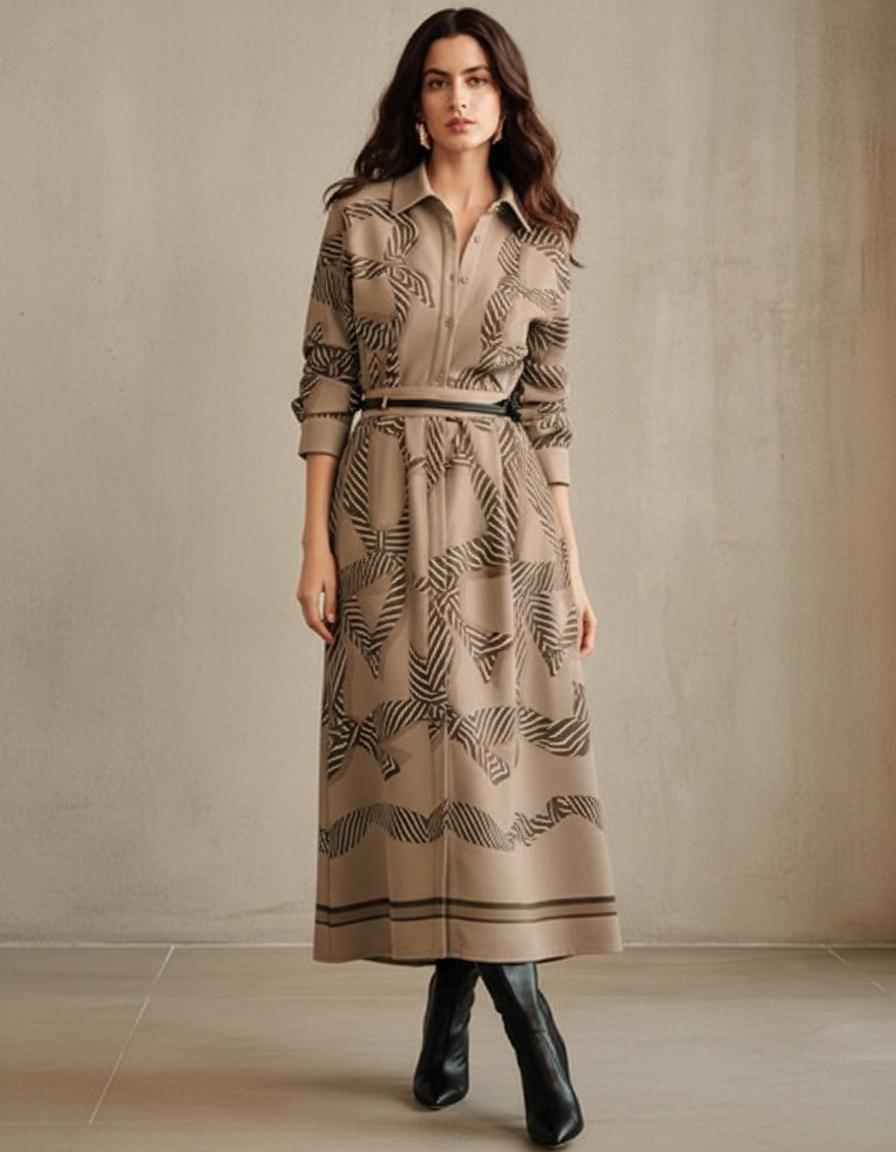
- Necklines: at or above the collarbone.
- Sleeves: past the elbow.
- Hems: below the knee, sitting and standing.
- Married women cover their hair (sheitel, snood, hat, scarf — community varies).
- Silhouette: intentional, not painted-on. The dress should fit; it shouldn't perform.
These aren't arbitrary. They map to a thousand-year-old conversation about what kind of attention a person seeks in public space.
Where it shows up beyond clothing
Tznius extends into:
- Speech. Volume in public, what gets shared in conversation.
- Behavior in public. How a person moves, where she lingers, who she engages.
- Internal posture. The quiet self-confidence that doesn't need external confirmation.
You can be dressed by every tznius standard and still not embody it. You can also dress at the edge of tznius and live the value beautifully.
The clothing matters. The rest matters more.
What this means for shopping
Practical: you're looking for clothes that let you stop thinking about them. A neckline that doesn't slide. A hem that stays put when you sit. A fabric that drapes, not clings. Once those boxes are checked, you're free to focus on whatever else you'd rather be focused on — which is the whole point.
Tznius isn't a constraint on style. It's an editing principle. The pieces that survive the edit tend to be the ones you reach for the most.
Browse the Women's edit — every piece is selected with this kind of thinking already done.
Frequently asked
- Is tznius the same as modesty in English?
- Close, but not identical. Tznius (from the Hebrew root tzni) carries a richer meaning — modest, private, internal. It refers to clothing standards, but also to speech, behavior, and the way a person carries themselves in public space.
- Do all observant Jewish women dress the same way?
- No. Tznius standards vary across communities — Hassidic, Yeshivish, Modern Orthodox, and Sephardic communities all have slightly different conventions around sleeve length, hem length, and hair covering. The framework is shared; the details are local.
- Can someone dress tznius without being religious?
- Yes — many secular women adopt tznius-aligned dressing for personal, aesthetic, or comfort reasons. The clothing standards are accessible to anyone. The deeper concept (modesty as internal posture) is a Jewish religious framework, but the wardrobe principles travel.
Shop the edit
More from The Edit